

🇨🇦 Free shipping over $95 · $9.99 flat rate under
Ryomgård, Denmark. Cast since 1956
Scanpan is short for Scandinavian Pan, and the first ones were cast from metal scrap left over from the war. Seventy years on, the nonstick is still poured by hand in Ryomgård from recycled aluminium and pressed at 250 tonnes, under a Stratanium coating hard enough to take metal utensils.
Shop Scanpan
1956
the year they started casting pans in Ryomgård, in Jutland
93 to 96%
recycled aluminium, reclaimed from scrap in Norway and Sweden
250 tonnes
the pressure each hand poured pan is cast under
Metal tool safe
almost no other nonstick will take a metal spatula
The name is the least mysterious thing about the company. SCANPAN is, in their words, “a shortened abbreviation of Scandinavian Pan”. The first product was not a pan at all but a pressure cooker lid, which became the first cast aluminium frying pan, and the business grew out of that in a small town in Jutland where the nonstick is still cast today.
Their own account of the early years is the better one. The first pans were made from recycled metal scrap left over from the Second World War, which makes the environmental story older than the marketing category. “Sustainability through waste reduction has been part of our DNA since 1956.”
Every aluminium pan is cast rather than stamped. Scanpan describe molders pouring the liquid aluminium into moulds by hand, after which the pan is pressure cast at 250 tonnes. That density is what gives a Scanpan its weight and its heat distribution, and it is why the base sits flat for the life of the pan.
The aluminium is recycled, sourced from facilities in Norway and Sweden that reclaim scrap from soda cans, licence plates and anything else headed for landfill. Scanpan are unusually straight about the number. Their headline says a hundred percent, and then the same page corrects it: blending in a small amount of virgin metal is normally necessary, so the products run “anywhere between 93 to 96% recycled metal on average”. Recycling it takes around five percent of the energy that primary aluminium from bauxite would take.
Scanpan’s own published figures
Scanpan’s own film on how and why they make it this way.
The coating is the reason most people buy the pan, and Scanpan’s clearest description of it is tucked away in a FAQ rather than on the marketing pages. Stratanium is “a 5-step system in which hard particle and wave-like layers interlock to reinforce the non-stick layer, making it metal tool safe and extremely durable”.
Metal utensil safe is the part worth pausing on, because almost no other nonstick will take a metal spatula without marking. That is what the five step build buys you, and it is why these pans last.
Stratanium+ is the chef facing version, tested in restaurants for over two years before release and rated by Scanpan as fifty percent more durable under heavy use. It has a deliberately textured surface, and their description of cooking on it is worth repeating: the rough surface forms micro holes that improve the frying, and the sound changes, becoming “crispy” and “crackling”.
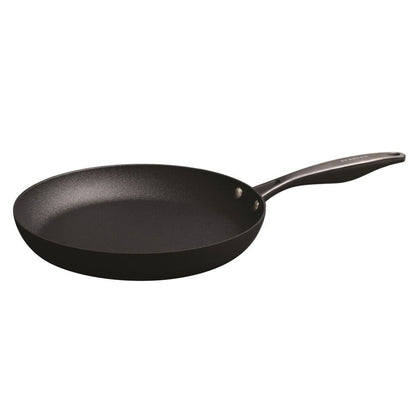
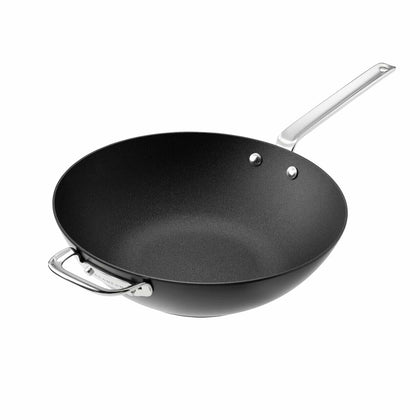
Deep on the cast aluminium. Classic and Classic Induction for everyday nonstick, CTX for the five ply construction, Professional, and the Pro SB+ series in fry pans, sauté pans, a wok and a chef pan. TechnIQ covers the shapes with names rather than sizes, the Modern Skillet, the Windsor, the Giant Braiser and the woks and roasters. HaptIQ is the mirror polished Stratanium+ line.
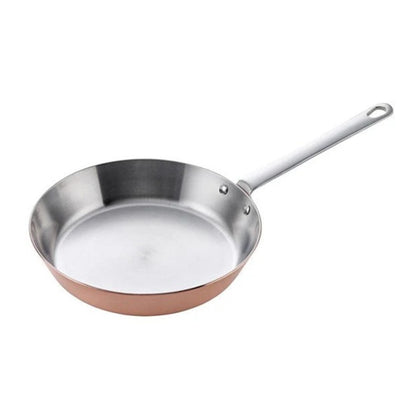
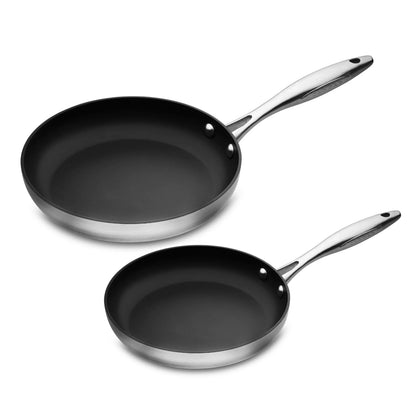
Alongside that, Impact in stainless, the Maitre D’ copper induction pans, roasting pans and racks, and a pair of two piece fry pan gift sets. Everything except the original Classic range is induction ready, and the cookware carries a limited lifetime warranty against manufacturing defects.
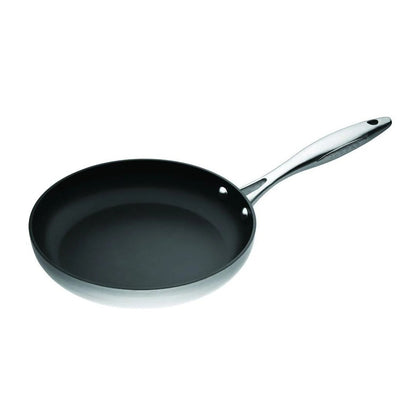
Scanpan
$234.98
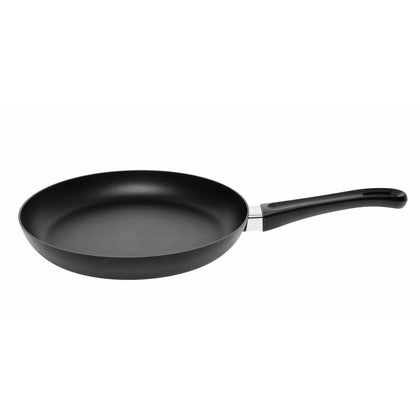
Scanpan
$169.98
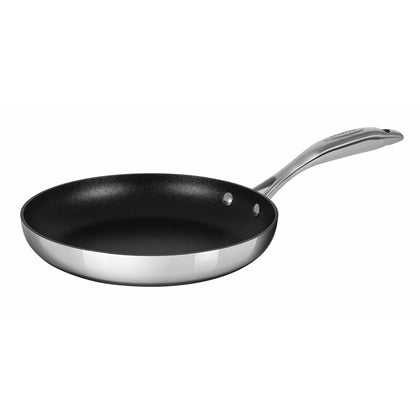
Scanpan
$254.98
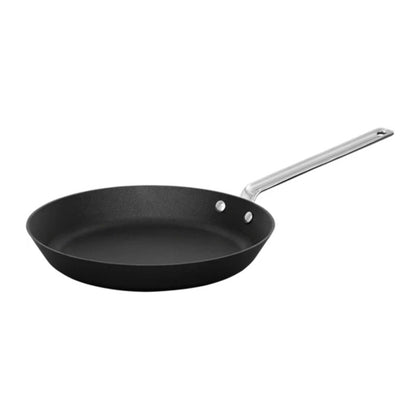
Scanpan
$229.98
Scanpan
$299.96
Scanpan
$274.98
Scanpan
$339.98
Scanpan
$369.98
Scanpan
$199.98
Scanpan
$309.98

Email Us
sales@kitchenvirtue.com
No products were added to the Wishlist

[title]
[message]