




Late summer, in jars
Posted by KITCHENVIRTUE

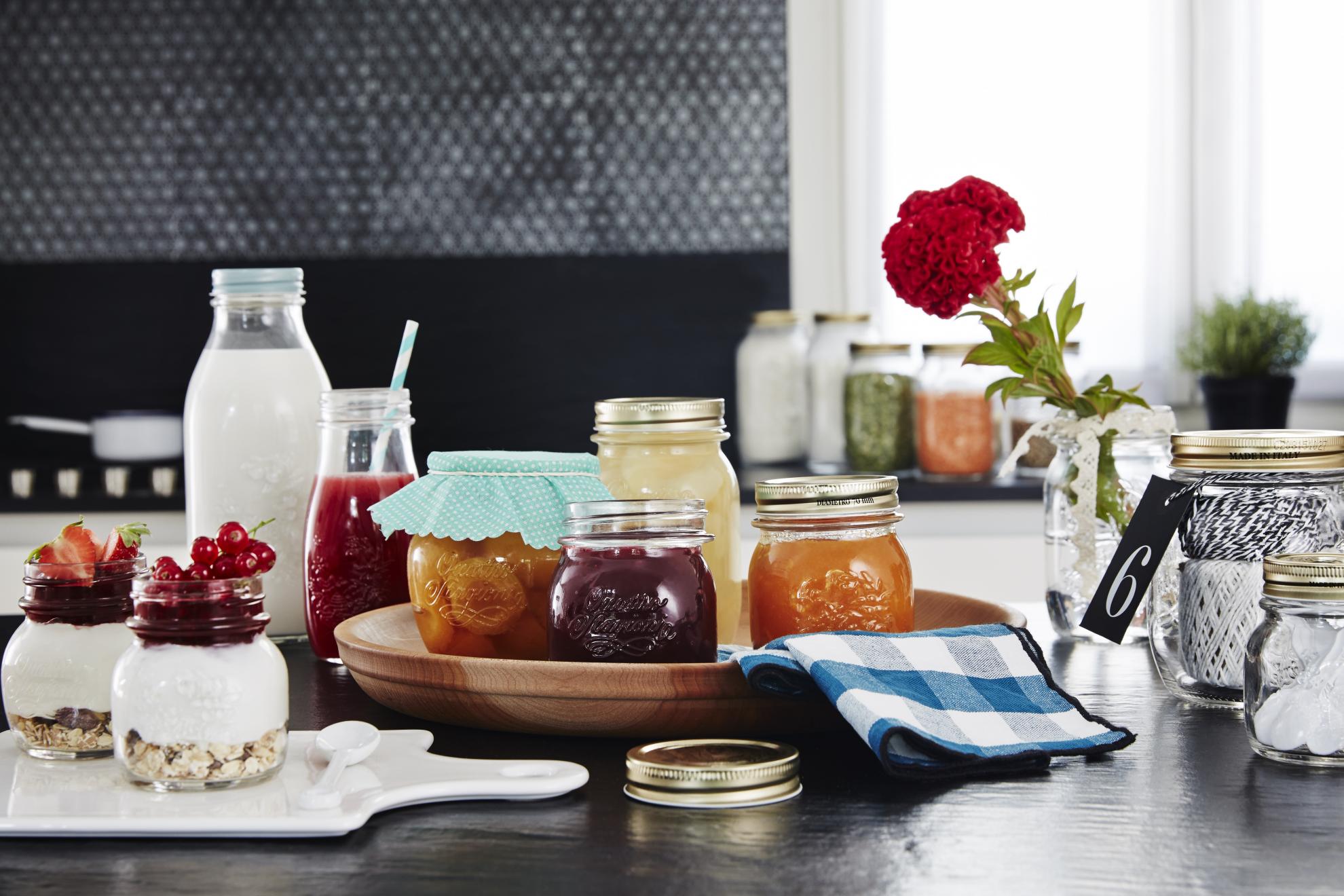
By the middle of August, the markets around Ottawa are at their most generous. Field tomatoes arrive in baskets instead of pints. Peaches come down from Niagara, corn stands appear on the roadside, and cucumbers seem to multiply overnight. It is the best eating of the year, and it lasts about six weeks. Preserving is how you stretch it into February.
If you have never canned before, the process is less mysterious than it looks. There are two methods, and which one you use depends entirely on what is in the jar.
Water-bath canning
High-acid foods can be processed in a simple pot of boiling water. That covers jams, jellies, fruit, pickles, and tomatoes with a little added lemon juice or citric acid. The acid does the safety work, and the boiling water seals the jar. Any pot deep enough to cover the jars by an inch or two will do, though a rack or a folded tea towel on the bottom keeps the glass off direct heat. This is the place to start. A batch of strawberry jam or dill pickles is a one-afternoon project, and the worst outcome is a jar that goes in the fridge instead of the pantry.
Pressure canning
Low-acid foods are a different matter. Green beans, corn, carrots, stocks, and plain vegetables need temperatures above what boiling water can reach, and that requires a pressure canner. This is not a step to improvise. A proper canner, the kind with a gauge and a locking lid, holds 240°F long enough to make low-acid food safe on the shelf. We carry the All-American canners for exactly this reason: cast aluminum, a metal-to-metal seal with no gasket to replace, and a habit of outlasting the people who buy them.
The gear that earns its keep
Beyond the canner, the list is short. Proper canning jars rather than repurposed salsa jars, because the glass is tempered for the heat. New lids each season, since the sealing compound is made to work once. A wide funnel saves your counters and a jar lifter saves your fingers. A good colander does more work than you would expect; we are partial to the Three Snow colanders from Tsubame-Sanjo, which drain a sink of washed tomatoes as fast as you can pour them. And a sharp knife makes an afternoon of peeling and coring feel considerably shorter than it is.
One rule worth keeping
Use tested recipes. Preserving is chemistry, and the ratios in a published, tested recipe are what keep food safe at room temperature. Bernardin's guides are the Canadian standard, and the U.S. National Center for Home Food Preservation posts theirs free online. Follow the headspace, follow the processing times, and adjust if you live at altitude. Creativity belongs in what you put the preserves on, not in the processing.
Come January, a jar of August tomatoes makes the whole effort worthwhile.


