

🇨🇦 Free shipping over $95 · $9.99 flat rate under
Motomiya, Japan — hinoki since 1972
Kodai have worked Japanese cypress in a river valley below Mount Adatara since 1972, when a carpenter named Shoji Nemoto opened the workshop. The Nemoto family still run it, and still mill, finish and pack every board under one roof.
Shop Kodai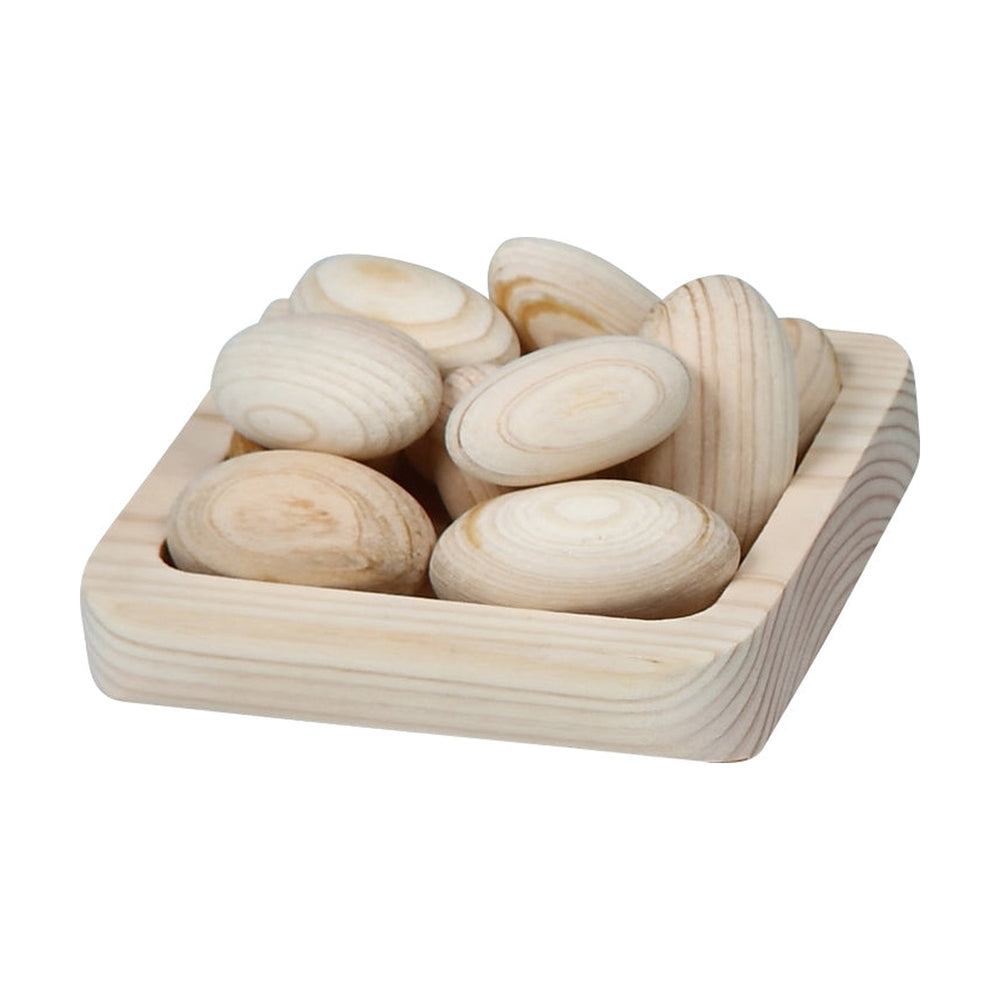
Est. 1972
by Shoji Nemoto, a carpenter, in the mountains of northern Japan
Hinoki cypress
the wood Japan has built its shrines and temples from for a thousand years
Thinned timber
boards cut from the young trees that are felled to keep a forest healthy
FSC® C014816
Chain of Custody certified since November 2005
Kodai began on the first of May, 1972, when a carpenter named Shoji Nemoto set up a workshop in Motomiya, a small city in the Abukuma river valley in northern Japan, under the peak of Mount Adatara. There is cypress forest on the hills all around, which is rather the point — the wood was already there. Nemoto had spent his working life with timber, and he started the company on the strength of that: knowing wood, and knowing what could be made from it. More than fifty years later the company is still in Motomiya and still run by the Nemoto family, with his successor Masaaki Nemoto as president. Everything happens under one roof. They design the products, they mill the timber, they finish and pack the pieces themselves.
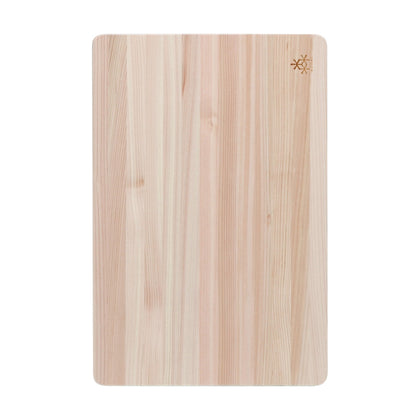
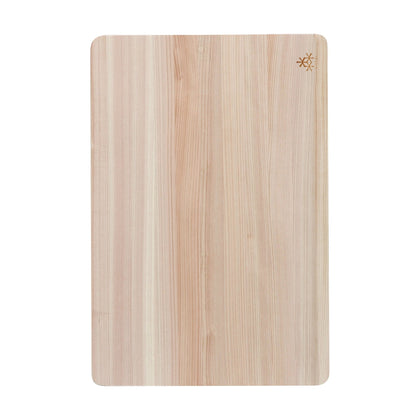
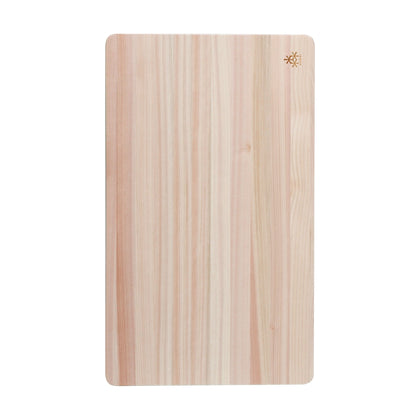
Hinoki is Japanese cypress, and for over a thousand years it has been the wood Japan builds its shrines and temples from. It earns that place. The grain is fine and close, so a blade meets almost no resistance — a hinoki board is famously gentle on knife edges, which is why professional Japanese kitchens have used it for generations. The wood carries natural oils that resist bacteria and mould, so the board stays sweet-smelling with nothing more than a rinse and a stand to dry. And it is light. A large hinoki board is a board you will actually lift and use, not one that lives at the back of a cupboard.
Kodai's timber comes from forest thinning — the young trees that are cut to give a managed forest room to grow, and that are too often simply burned or discarded. In 1992 the company registered the Mokuty mark specifically to build a range around that wood. In November 2005 they took FSC® Chain of Custody certification, which they still hold under licence FSC® C014816, so the source of every board is documented from forest to workshop. Their stated philosophy is a single word — contribution: to people, to customers, to partners, to the region, and to the earth. It is the sort of thing many companies write down. This one has been operating that way since before it was fashionable.
The everyday boards in thin and thick, in three sizes each — the thin ones for quick work at the counter, the thick ones for a board that stays put and lasts decades. Then the pieces you won't find elsewhere: the D-shape, the urushi-lacquered boards edged in red and brown, the organic pebble-shaped SASSO, and a small bread and cheese board. Alongside them, hinoki serving trays and standing plates for the table, and a hinoki aroma set — turned cypress balls in a tray, which scent a room the way the wood scents a workshop.
Kodai
$98.97
Kodai
$73.97
Kodai
$134.97
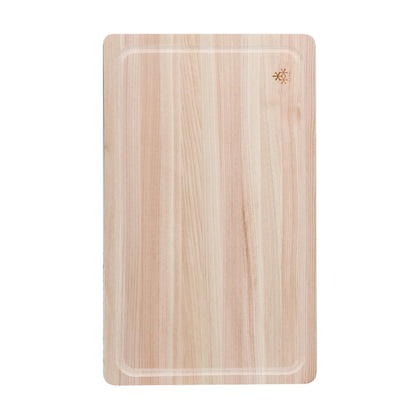
Kodai
$147.97
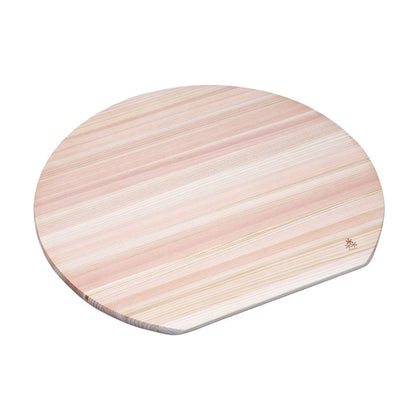
Kodai
$79.97
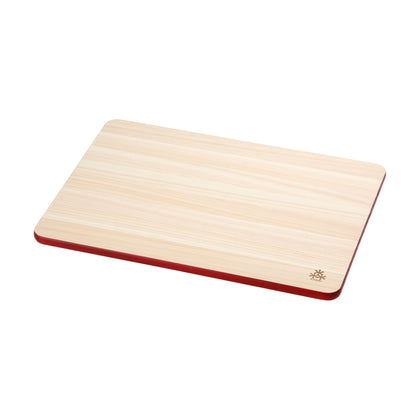
Kodai
$79.97
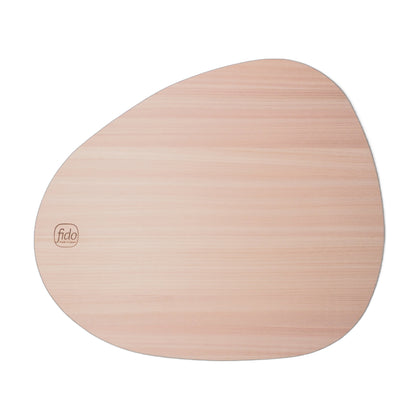
Kodai
$63.97
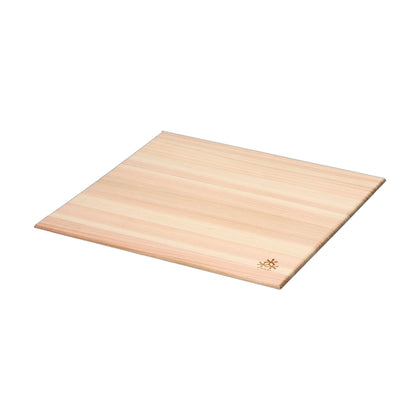
Kodai
$52.97
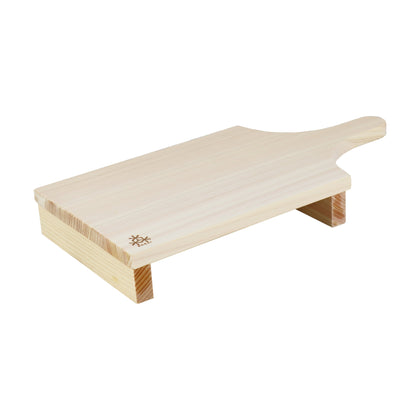
Kodai
$54.97
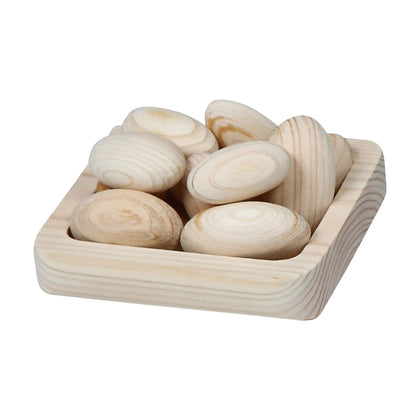
Kodai
$38.97

Email Us
sales@kitchenvirtue.com
No products were added to the Wishlist

[title]
[message]