

🇨🇦 Free shipping over $95 · $9.99 flat rate under
Sanjo, Niigata. Since 1926
A Sanjo forge that started in 1926 making end cut pliers for carpenters rebuilding after the Kanto earthquake. The nail clipper came in 1950 and is the same tool scaled down: two forged blades aligned by hand with a diamond file.
Shop Suwada
1926
Founded in Sanjo, Niigata
400 t
Of force on steel above 1000C
30%
Of the forged bar becomes a blade
2011
The factory opened to the public
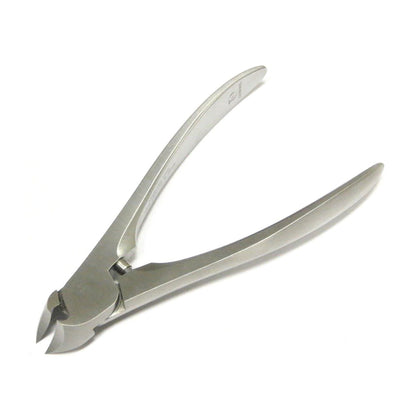
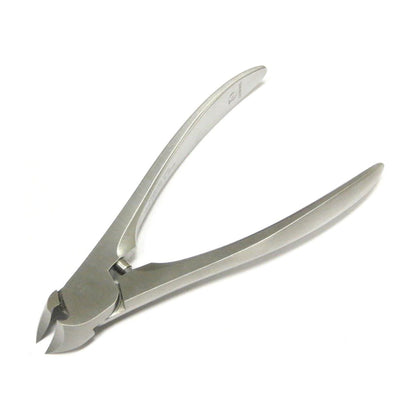
Shukusaburo Kobayashi opened his workshop in Sanjo in 1926, and what he made there was not a nail clipper. It was kuikiri, the end cut pliers a carpenter uses to pull and cut nail heads. Tokyo was rebuilding after the Great Kanto Earthquake of 1923 and the demand for house building tools was enormous.
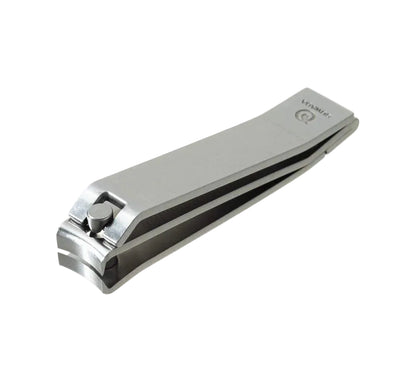
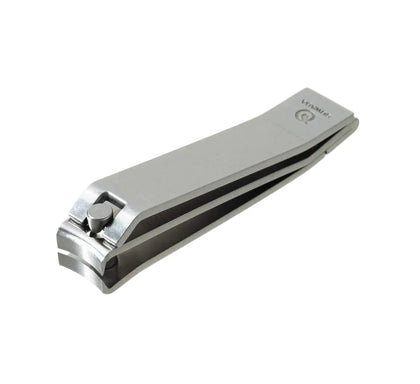
The nail clipper came later, in 1950, and it is still recognisably the same tool: two forged blades, a pivot pin, a spring. A carpenter's nipper scaled down to a fingernail.
Suwada stayed in Sanjo for the reason they give themselves. It is, in their words, a place long known as one of the world's leading production centres for high end cutlery, where quality materials and skilled craftspeople are in plentiful supply.
From Suwada's own history
Kuikiri production begins at Ichinokido in Sanjo.
The gourd shaped nail clipper is developed.
The workshop moves to Suwada in Sanjo, the district the company is named for, and begins making pruning and bonsai tools.
Incorporated as Suwada Blacksmith Works. Kiichi Kobayashi, the founder's son, becomes president.
A second factory opens, and with it the Kurikuri Bozu chestnut peeler.
The Suwada nail nipper is selected for Good Design.
Tomoyuki Kobayashi, Kiichi's son, becomes representative director.
Subsidiaries open in London and Hong Kong, and the main factory is rebuilt as the Suwada Open Factory.
The nail clipper wins a Good Design Award, a place in Good Design Best 100, and a Good Focus Award.
Suwada publishes the process as a numbered list, and two details in it explain the price of the thing.
The steel is heated past 1000C and struck with 400 tonnes of force. Then only the central thirty per cent of the forged bar is used. The ends are discarded. Everything outside that band is considered not good enough to become a blade.
Near the end of the list comes the step that cannot be mechanised: the two blades are aligned by hand with a diamond file until they meet along their whole length. That is the difference between a clipper that cuts a nail and one that crushes it. Their own summary of the company is that everything, from product development and material selection through to finishing, is done by their own craftsmen.
In 2011 Suwada rebuilt its main factory as the Suwada Open Factory. It is a working forge, not a visitor centre with a viewing window. Their own page says anyone may tour it freely, without a reservation, Tuesday to Saturday, and that photography is allowed. Groups of ten or more are asked to call ahead.
They also repair. Their own FAQ notes that clippers typically come back for maintenance after five or six years, and that they still service thirty and forty year old ones.
The nail clippers in Classic, Mirror and Soft Grip finishes at 100mm and 120mm, the foot nail clippers, and the Petite with its red spring.
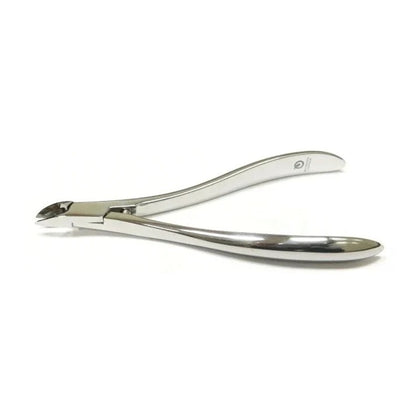
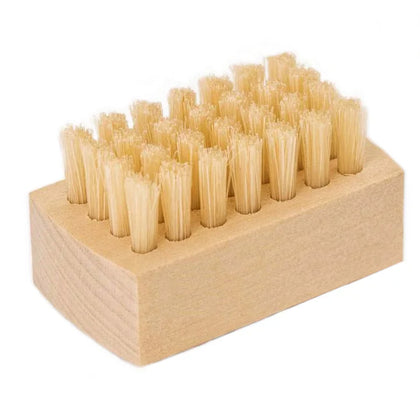
Alongside them the cuticle clippers in the V series, the satin finish nail file, the cuticle pusher, the traditional nail brush, and a stainless bottle opener that exists because a company that can align two blades by hand can align anything.
One note on specification, since it comes up. Suwada names no steel grade and publishes no hardness figure anywhere. Their own answer is stainless blade steel of the kind used in custom knives and kitchen knives, and we are not going to improve on that by guessing.
Suwada
$61.97
Suwada
$99.97
Suwada
$99.97
Suwada
$61.97
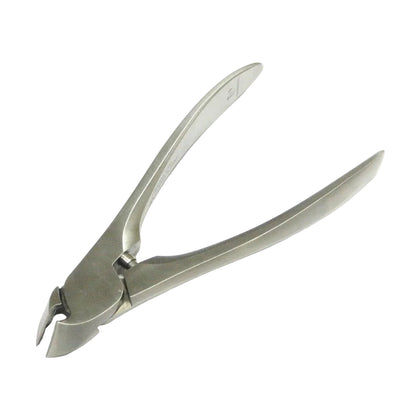
Suwada
$99.97
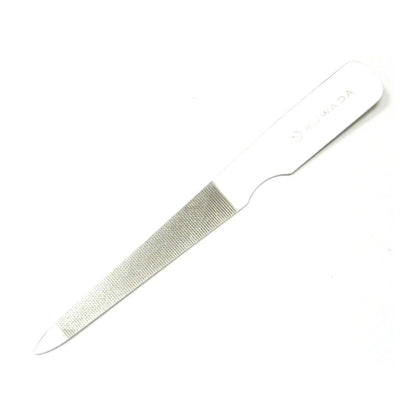
Suwada
$18.92
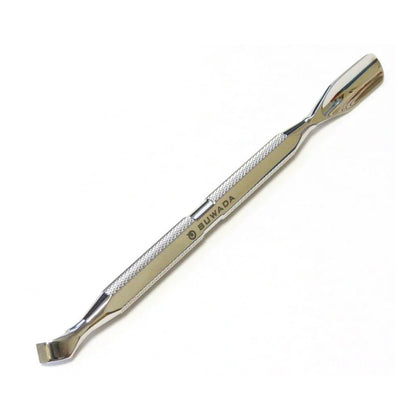
Suwada
$89.92
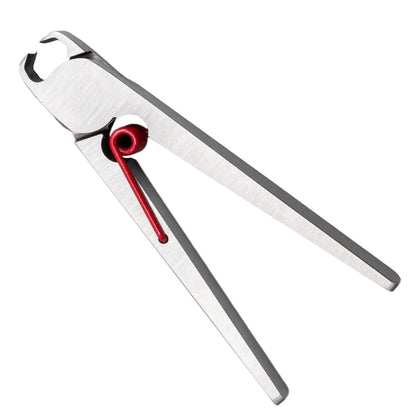
Suwada
$99.97
Suwada
$89.97
Suwada
$12.97

Email Us
sales@kitchenvirtue.com
No products were added to the Wishlist

[title]
[message]